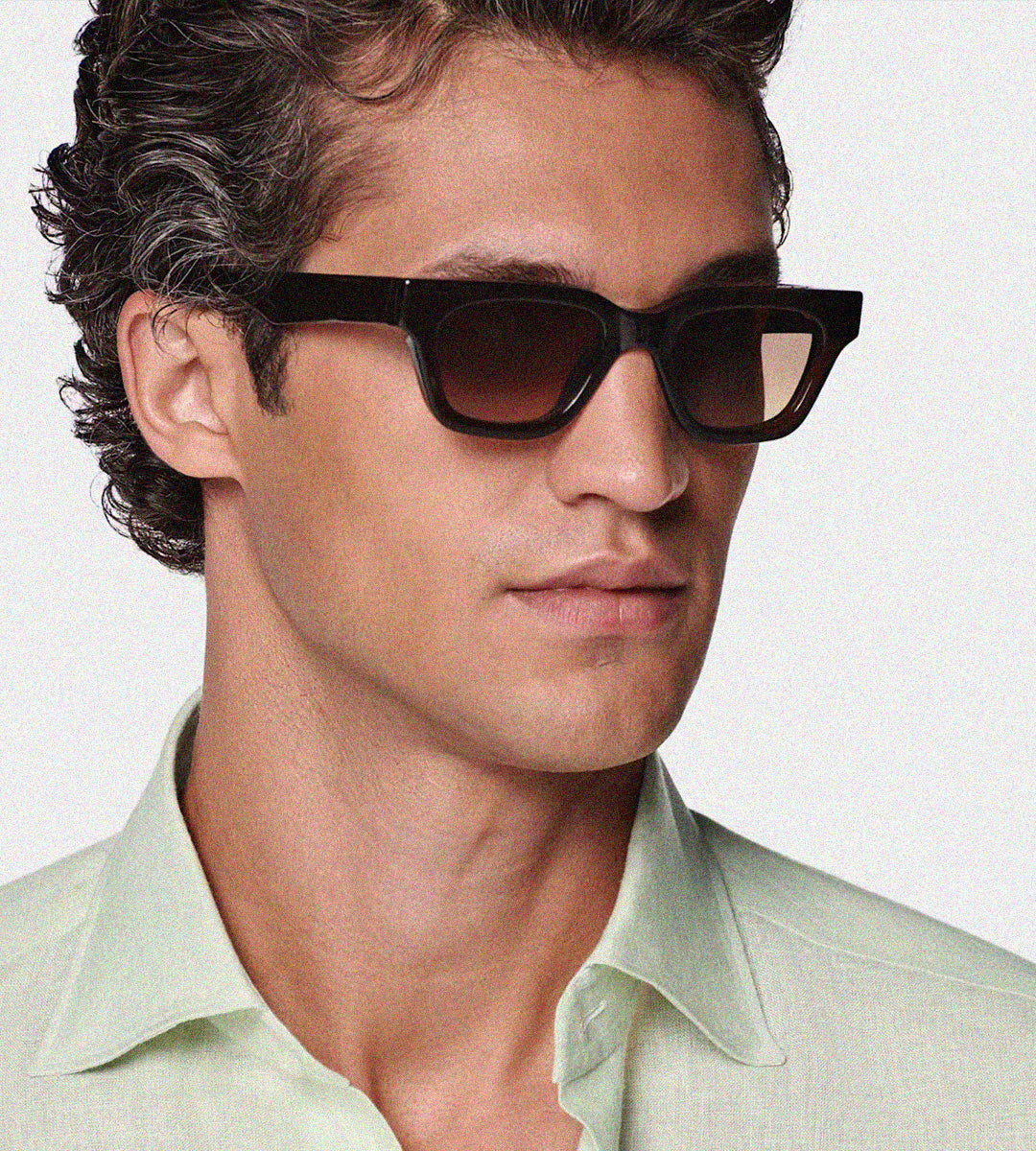
Have you ever found yourself squinting on the road, struggling to see clearly through harsh sunlight or annoying glare from oncoming traffic? Driving without proper eye protection isn’t just uncomfortable—it can be dangerous. That’s where the best sunglasses for driving come into play.
Whether you’re commuting daily or heading out on a weekend road trip, the right pair of polarized sunglasses can significantly enhance your driving experience. They help reduce glare, sharpen your vision, and protect your eyes from harmful UV rays—giving you a clearer, safer view of the road ahead.
In this guide, we’ll break down exactly what to look for in sunglasses for road safety, including lens types, tints, and frame styles that blend both function and fashion. Ready to drive safer and look cooler while doing it? Let’s dive in.
Choosing the Right Lens Color for Maximum Clarity on the Road
Not all sunglasses are created equal—especially when it comes to lens color. If you’re searching for the best sunglasses for driving, it’s not just about picking a stylish frame. The color of your lenses plays a major role in how clearly you see while on the road.
Let’s break it down.
Best Lens Colors for Driving
Gray lenses are a solid all-around choice. They reduce brightness without distorting natural colors. That means stop signs stay red, traffic lights stay green, and your depth perception stays sharp.
Brown or amber lenses enhance contrast, making it easier to see details in changing light—like when you’re driving through a mix of sun and shade. They’re especially helpful during early mornings or late afternoons.
Copper lenses (sometimes called “driving lenses”) filter out blue light, improve depth perception, and reduce glare. They’re a favorite among frequent highway drivers.
These colors work great under real-world conditions—bright sun, cloudy days, or that classic Southern California sun glare off your windshield.
What to Avoid
Some tints, though trendy, aren’t ideal for driving:
Blue or green lenses may look cool but can distort colors on the road.
Overly dark lenses may make it hard to see inside tunnels or shaded roads.
Mirrored lenses can sometimes create distracting reflections inside your car cabin.
Remember, the goal is enhanced clarity and road safety, not just aesthetics. For those living in bright climates like Florida, Arizona, or California, gray and brown polarized lenses offer the best balance of sun protection and visibility.
By choosing the right tint, you’re not only protecting your eyes—you’re making smarter, safer choices behind the wheel. That’s what makes certain lens colors a must-have in any driving sunglasses collection.
Frame Fit and Shape Matter More Than You Think While Driving
You’ve picked the perfect lens—now what about the frame? Believe it or not, the shape and fit of your sunglasses can make or break your driving experience. When you’re on the road for hours, the last thing you want is a pair of shades that keeps slipping, pinching your nose, or blocking your peripheral vision.
Let’s talk about what makes the best sunglasses for driving not just functional—but comfortable too.
Why Fit Is Everything
Driving requires full attention, and distractions from ill-fitting sunglasses can be dangerous. A proper fit ensures:
Stable placement: No slipping when you check your blind spot or glance down at your dashboard.
No pressure points: Lightweight, balanced frames won’t dig into your temples or nose bridge.
Peripheral clarity: You want to see traffic from all angles—your sunglasses shouldn’t block that view.
If you’re based in places like Texas or Southern California where you’re often dealing with long commutes under bright skies, choosing road-safe eyewear with an ergonomic design is even more important.
Recommended Frame Shapes for Driving
Wraparound frames: These hug your face and reduce light leakage from the sides—great for highways or open country roads.
Navigator or aviator styles: Classic choices with wide lenses and thin temples, offering good coverage and minimal bulk.
Wayfarer-inspired shapes: If you want a more laid-back but secure fit, this shape gives both style and structure.
Avoid oversized fashion frames with thick rims or heavy embellishments. While they might look good in photos, they often reduce visibility and create blind spots when checking mirrors or turning your head.
Bonus Tip: Lightweight Materials for Long-Term Comfort
Materials like TR90, nylon, or flexible acetate are ideal. They’re durable, feather-light, and built to handle the bumps and turns of daily driving without shifting on your face.
When Not to Wear Sunglasses While Driving
We’ve talked a lot about how sunglasses can improve your driving—but are there times when wearing them could actually do more harm than good? Absolutely. Even the best sunglasses for driving aren’t right for every situation.
Understanding when not to wear sunglasses while driving is just as important as knowing which ones to buy.
1. Night Driving? Ditch the Shades.
This might seem obvious, but you’d be surprised how many people wear lightly tinted or yellow-lens sunglasses at night thinking it helps with visibility. The truth? Any tint—even the lightest—reduces the amount of light reaching your eyes, which can impair your ability to see pedestrians, road signs, and lane markings in low-light conditions.
If you’re heading out after sunset, it’s best to stick with clear lenses or prescription night driving glasses that are specifically designed for dark environments.
2. Through Tunnels or Shaded Roads
When driving through tunnels or dense tree-lined routes, the sudden drop in ambient light makes it harder to see clearly. Wearing dark-tinted sunglasses in these conditions can make your surroundings feel even dimmer, slowing your reaction time.
If you’re driving in areas like the Pacific Northwest, upstate New York, or mountain regions where tunnels and shaded roadways are common, it’s smart to either:
Remove your sunglasses temporarily
Opt for photochromic lenses that adjust automatically (though note: they may not react quickly enough inside a car)
3. During Overcast or Foggy Weather
It might seem counterintuitive, but sunglasses aren’t always necessary on cloudy days. Overly dark lenses during overcast conditions can reduce contrast and make it harder to spot other cars, cyclists, or road hazards.
Instead, if glare is still a concern, choose lenses with lighter tints—such as amber or yellow—that improve contrast without dimming your vision too much.
Quick Rule of Thumb
If your surroundings already feel dark without your sunglasses on, it’s not the time to put them on. Safe driving always comes down to visibility—and choosing the right moment to wear or remove your sunglasses is a big part of that.
In short, sunglasses are a driving essential—but only when the conditions are right. Knowing when not to wear them can be just as crucial to keeping yourself and others safe on the road.
Top Picks: Best Sunglasses Styles for Driving
You know what makes a good pair of driving sunglasses—polarized lenses, the right tint, and a solid fit. But what about style? Luckily, you don’t have to trade function for fashion. Today’s top driving sunglasses styles combine sleek design with road-ready features to keep you safe and stylish behind the wheel.
Here are a few proven winners that check all the boxes for smart drivers:
1. Classic Aviators – Timeless with a Purpose
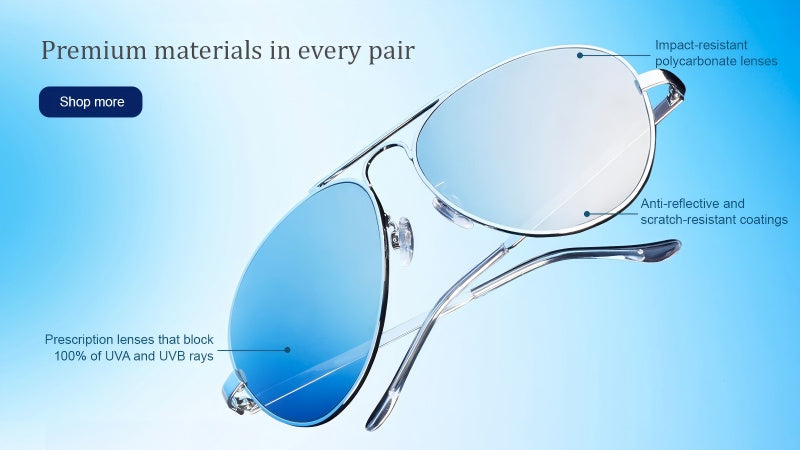
There’s a reason aviator sunglasses have been a favorite among pilots and drivers for decades. The large teardrop lenses offer wide coverage, and the slim metal frames are lightweight and breathable.
Perfect for sunny commutes or highway cruising
Available with polarized lenses and gradient tints
Pairs well with both casual and professional looks
2. Wraparound Sports Frames – Maximum Coverage, Zero Distractions
Looking for performance over fashion? Wraparound sunglasses are your go-to. These snug-fitting frames hug your face, block light from all angles, and stay put—even on bumpy roads.
Ideal for fast-paced highway driving and rural roads
Best choice for motorcyclists or convertible drivers
Often made with lightweight TR90 or polycarbonate
3. Wayfarer-Inspired Styles – Cool, Casual, and Functional
Want a style that transitions from your car to your lunch meeting with ease? Wayfarer-style sunglasses strike the perfect balance between fashion and driving function.
Medium-sized lenses for good eye coverage
Available in polarized and anti-glare models
Works well for city driving and weekend road trips
4. Rimless or Semi-Rimless Frames – Unobstructed Vision
If you’re someone who gets distracted by chunky frames, rimless sunglasses offer a clean, minimalist look with no obstruction to your peripheral vision.
Great for precision driving and open-road visibility
Ultra-lightweight and barely noticeable on the face
Best for those who wear prescription driving lenses too
Final Thoughts:
When you’re behind the wheel, your vision is everything. And choosing the best sunglasses for driving isn’t just about style—it’s about safety, comfort, and clarity on the road. From polarized lenses that reduce blinding glare to frame designs that stay put on long drives, every detail matters more than you think.
Whether you’re navigating sunny highways in Arizona, weaving through urban traffic in New York, or cruising along the California coast, your choice in driving eyewear can seriously upgrade your experience behind the wheel. Think of it as an essential part of your driving gear—right up there with your seatbelt and mirrors.
So don’t settle for any pair of shades. Choose road-ready sunglasses that protect your eyes, match your lifestyle, and help you focus on what really matters: getting to your destination safely and comfortably.